
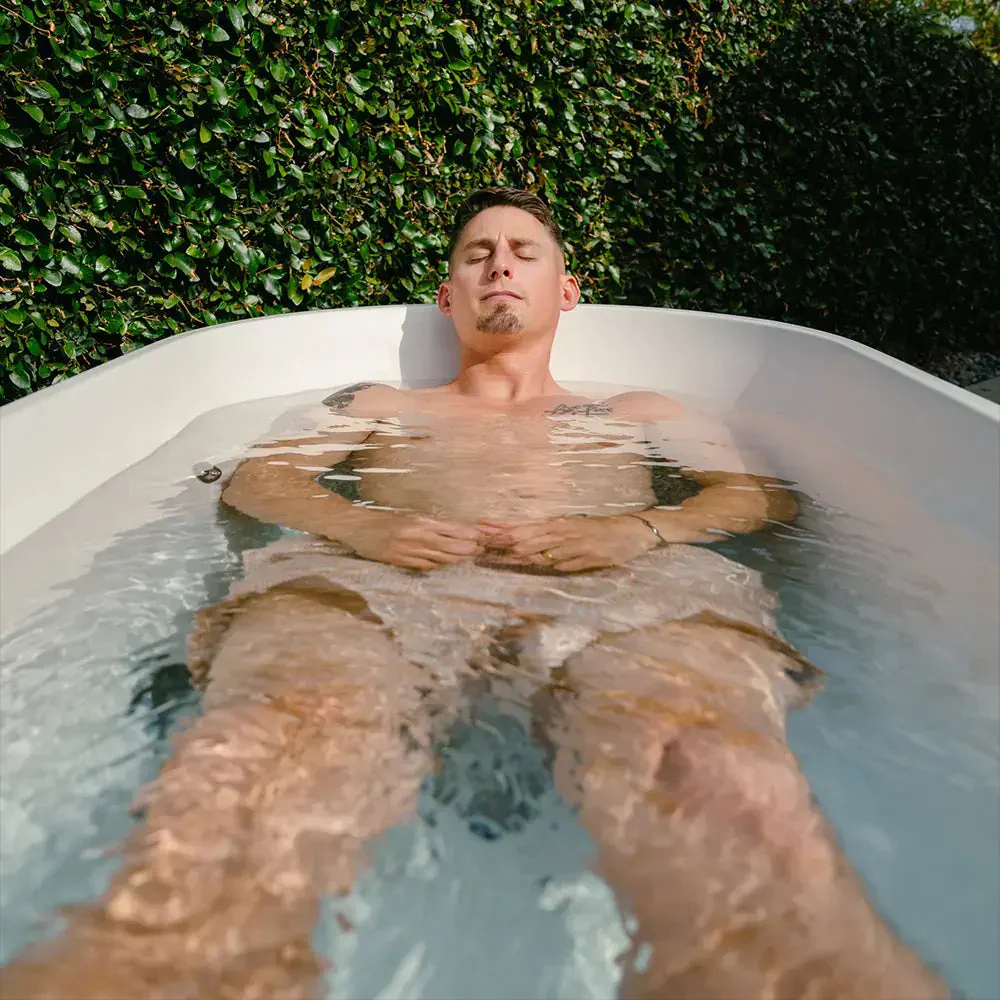
How cold is a cold plunge? Cold plunging has become one of the most popular wellness practices for athletes, fitness enthusiasts, and individuals looking to improve recovery and mental resilience. But before stepping into an ice bath or cold plunge tub, many people ask the same question:
How cold is a cold plunge?
The answer depends on your experience level, goals, and personal comfort. In this guide, we’ll explore the ideal cold plunge temperatures, how cold water affects the body, and how to find the right temperature for your wellness routine.
What Is Considered a Cold Plunge?
A cold plunge involves immersing the body in cold water for a short period of time. Unlike a regular cool shower or swimming pool, cold plunge tubs are specifically designed to maintain consistently cold temperatures.
Most cold plunges range between:
37°F and 55°F (3°C to 13°C)
Within this range, users can experience the physical and mental benefits associated with cold water immersion.
Ideal Cold Plunge Temperatures
Beginner Cold Plunge Temperature
If you’re new to cold exposure, start with:
50°F to 59°F (10°C to 15°C)
This temperature range provides a manageable introduction to cold therapy while still delivering many of the desired wellness benefits.
Intermediate Cold Plunge Temperature
For those with some experience:
45°F to 50°F (7°C to 10°C)
At this level, the cold becomes more intense and may provide a stronger stimulus for recovery and mental toughness.
Advanced Cold Plunge Temperature
Experienced users often prefer:
37°F to 45°F (3°C to 7°C)
These temperatures can feel extremely cold and should only be attempted by individuals who have gradually adapted to cold exposure.
Why Temperature Matters
The effectiveness of a cold plunge is not simply about making the water as cold as possible.
The goal is to expose the body to enough cold stress to trigger physiological responses without creating unnecessary discomfort or risk.
When immersed in cold water, the body responds by:
- Activating the nervous system
- Increasing alertness
- Constricting blood vessels
- Triggering adaptation responses
- Stimulating mental resilience
Even moderately cold water can produce these effects.
Is Colder Always Better?
Not necessarily.
Many people assume that near-freezing water automatically delivers better results, but colder is not always more effective.
For most users, temperatures between 45°F and 55°F (7°C to 13°C) offer an excellent balance between comfort, safety, and effectiveness.
The key is consistency. Regular cold plunges at a manageable temperature often provide greater long-term benefits than occasional extreme sessions.
How Cold Should Your Cold Plunge Be?
Your ideal temperature depends on your goals.
For Recovery
45°F–55°F (7°C–13°C)
For General Wellness
50°F–59°F (10°C–15°C)
For Mental Challenge
39°F–50°F (4°C–10°C)
Many experienced cold plunge users settle within the 45°F–50°F range because it provides a powerful cold exposure without becoming overwhelming.
Signs Your Cold Plunge Is Too Cold
You may want to raise the temperature if you experience:
- Excessive shivering
- Difficulty controlling breathing
- Numbness that persists after exiting
- Dizziness or lightheadedness
- Significant discomfort beyond normal cold exposure
Cold plunging should be challenging but manageable.
Tips for First-Time Cold Plungers
If you’re just starting:
- Begin with warmer cold temperatures
- Limit your sessions to 1–3 minutes
- Focus on calm breathing
- Gradually reduce the water temperature over time
- Stay consistent with your routine
Building tolerance slowly is the safest and most effective approach.
Benefits of Regular Cold Plunging
Many users incorporate cold plunges into their wellness routine because they may help support:
- Post-workout recovery
- Mental focus and alertness
- Stress management
- Energy levels
- Daily wellness habits
- Overall resilience
Combined with healthy lifestyle practices, cold plunging can become a valuable part of a long-term recovery strategy.
Final Thoughts
So, how cold is a cold plunge?
Most cold plunge tubs operate between 37°F and 55°F (3°C to 13°C), with many users finding the sweet spot around 45°F to 50°F (7°C to 10°C). Beginners should start warmer and gradually work their way down as they become more comfortable with cold exposure.
Remember, the best cold plunge temperature is one that challenges you safely while allowing you to remain consistent with your wellness routine.
At Polar Ember Health, we offer premium cold plunge tubs designed to help you experience the benefits of cold water immersion from the comfort of your own home. Whether you’re a beginner or an experienced cold therapy enthusiast, finding the right temperature is the first step toward unlocking a powerful recovery experience.